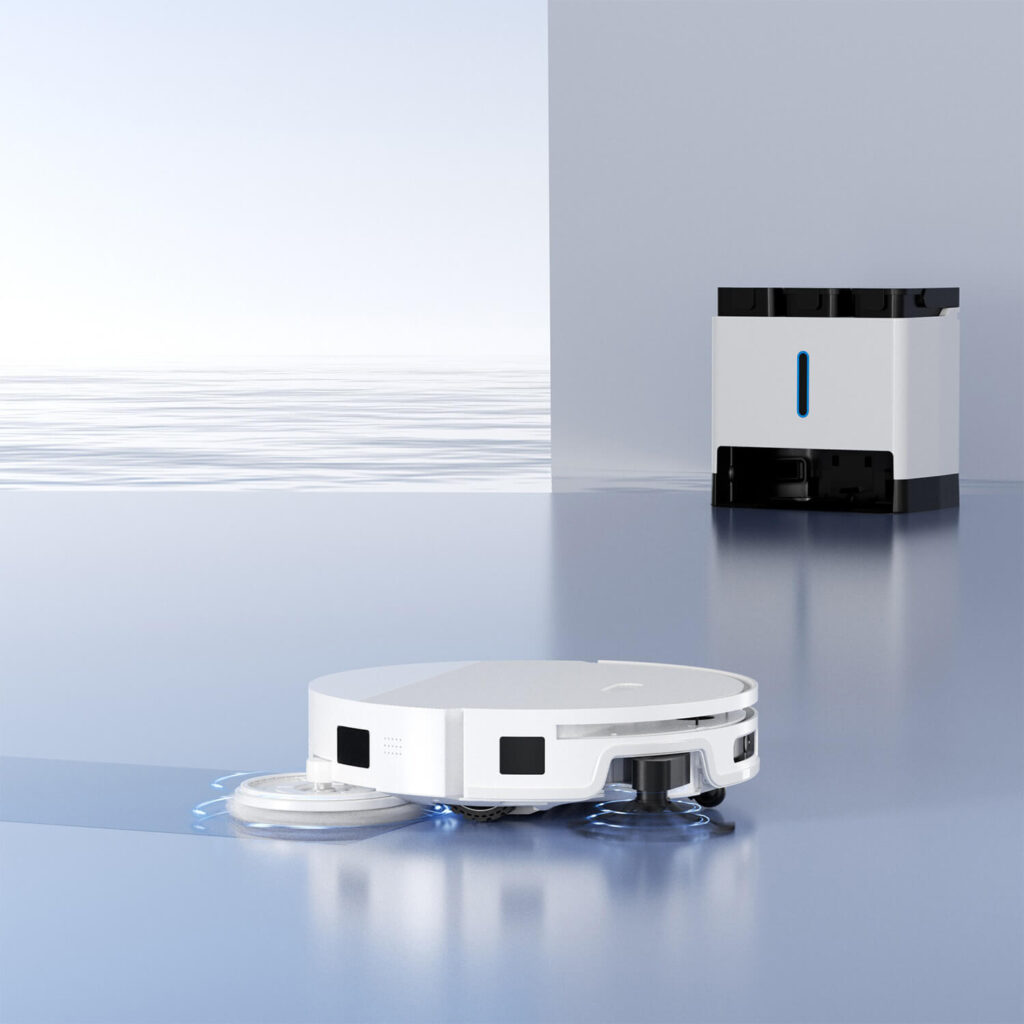
Introduction
Warning: Reading this will make you incapable of viewing your facility’s operational budget in the same way again.
If your team’s evaluation of robotic cleaners still includes a “pros and cons” list, you are operating on a dangerously outdated framework. That is the language of consumer choice, not strategic capital allocation. For the C-Suite, there are only two relevant categories: items that appear on the Asset side of the ledger, and those that become Liabilities.
A robotic cleaner is never just a machine. It is either a Strategic Asset that appreciates in value by enhancing real estate worth, generating proprietary data, and mitigating risk, or it is a Hidden Liability that introduces massive cybersecurity vulnerabilities, creates operational drag, and locks you into a cycle of escalating costs.
This briefing abandons all marketing fluff and provides a brutal, forensic analysis, armed with evidence and frameworks from PwC, Jones Lang LaSalle (JLL), the WELL Building Standard, and Harvard Business School, to empower your final decision.
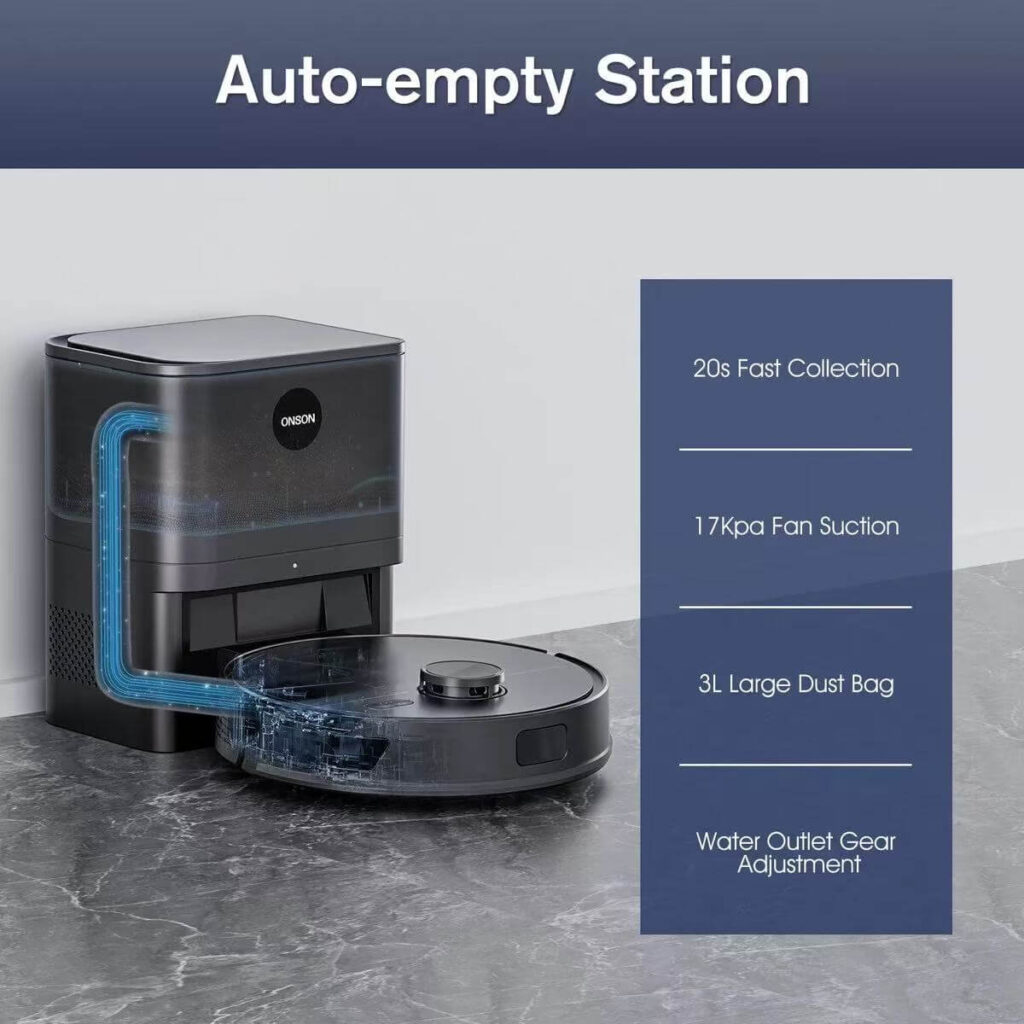
Part I: The Hidden Liabilities Ledger (The “Cons,” Reimagined as Financial Threats)
These are not “disadvantages”; they are silent killers of your ROI and potential threats to your enterprise.
Liability #1: The Cybersecurity Liability — Your Newest Enterprise Attack Vector
You are not buying a vacuum; you are deploying hundreds of mobile, sensor-laden IoT endpoints directly onto your corporate network. Each one is a potential beachhead for a hostile actor.
Authoritative Evidence: The Scale of the Threat
A PwC Global Digital Trust Insights report highlights that 54% of executives expect a surge in cyberattacks targeting their IoT infrastructure. These are not theoretical risks. A compromised cleaning robot with a camera can provide a live feed of your R&D labs, legal department, or boardroom. Its navigation data can map the exact layout of your sensitive facilities for industrial espionage.
The C-Suite Due Diligence Checklist (Non-Negotiable)
- Data Sovereignty & Compliance: Demand a contractual guarantee on where data is stored. For European operations, does the vendor have a GDPR-compliant Data Processing Addendum (DPA)? For US healthcare, are they HIPAA compliant? A vendor’s hesitation to put this in writing is a monumental red flag.
- Supply Chain Integrity: Ask the supplier for their Software Bill of Materials (SBOM). This is the “list of ingredients” for their code. A refusal or inability to provide this suggests they either don’t know what’s in their own software or are hiding vulnerabilities from suppliers upstream. “Commercial robot vacuum SBOM” is the long-tail keyword of a deeply informed buyer.
- Penetration Testing: Request the full, unredacted report from their latest third-party penetration test. If they only provide a “summary” or a “certificate,” they are likely hiding critical or high-severity vulnerabilities.
Failure to rigorously audit this liability is not a technical oversight; it is a dereliction of fiduciary duty.
Liability #2: The Operational Drag Liability — The Deceptive Calm of ‘Automation’
The advertised benefit is reduced human labor. The hidden reality can be the creation of a new, highly-paid class of “robot babysitters.” When your maintenance team is constantly addressing phantom errors, connectivity drops, and mechanical failures, you haven’t automated; you’ve merely shifted your cost center.
Authoritative Evidence: The Industrial Standard
The only metric that matters here is Mean Time Between Failures (MTBF). Consumer-grade electronics have an MTBF measured in hundreds of hours. True commercial-grade systems, as used in manufacturing and logistics, demand an MTBF of 8,000-20,000 hours.
The C-Suite Due Diligence Checklist
- Demand real-world, client-verified MTBF data from a deployment of at least 100+ units over 12 months. Do not accept lab data.
- Calculate the Total Cost of Intervention (TCI) during your pilot program.TCI = (Number of Manual Interventions) x (Average Time per Intervention) x (Hourly Cost of Intervention Staff).If this figure is not dramatically lower than your current model, the “automation” is an illusion.
Liability #3: The Ecosystem Entrapment Liability — The Razor-and-Blade Model on an Industrial Scale
A low initial unit price can be a Trojan horse for a long-term financial drain through proprietary consumables, mandatory software subscriptions, and API access fees.
The Financial Forensics
This is a classic “vendor lock-in” strategy. Before signing, demand a five-year Total Cost of Ownership (TCO) projection that includes:
- The cost of all proprietary filters, brushes, and batteries at a guaranteed price ceiling, adjusted for inflation.
- All mandatory software licensing and “premium feature” unlock fees.
- Fees for API access and integration with other building management systems (BMS).
If the vendor cannot or will not provide this, you must assume they plan to exploit this ambiguity. You are not buying a product; you are entering a long-term, and potentially parasitic, financial relationship.
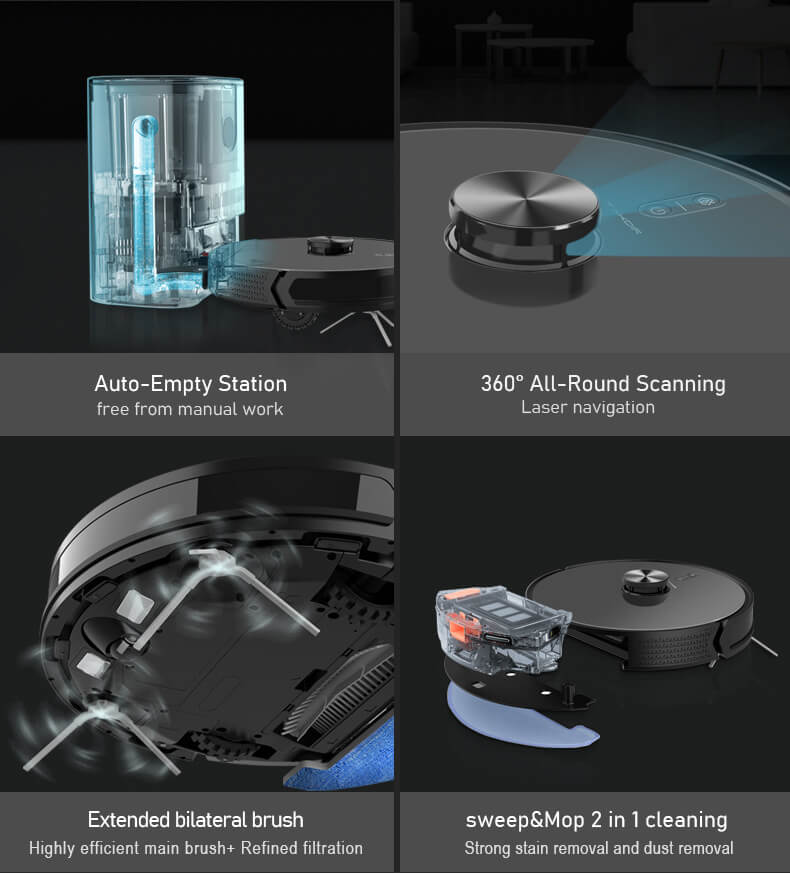
Part II: The Strategic Asset Ledger (The “Pros,” Reimagined as Financial Multipliers)
These are the real, quantifiable returns that should be presented to your board.
Asset #1: The Real Estate Valuation Asset — From Janitorial Expense to Palpable ESG Value
A fleet of advanced, data-logging robotic cleaners is a direct pathway to achieving prestigious building certifications that have a measurable impact on your property’s value.
Authoritative Evidence: The ‘Healthy Building’ Premium
A landmark study by Jones Lang LaSalle (JLL), titled “The Impact of Green Building Certification on Office Property Values,” found that LEED-certified buildings command a rent premium of 6.1% and a sales premium of 11.4%. The WELL Building Standard places immense emphasis on “Cleaning and Sanitization Protocols,” for which automated, data-verified cleaning systems provide incontrovertible proof of compliance.
The C-Suite Strategic Playbook
Your procurement is no longer about cleanliness; it’s an acquisition of a tool to achieve a higher asset valuation. The system’s ability to generate auditable logs of cleaning frequency, coverage, and materials used is not an “add-on”; it is the primary value proposition. You are investing in a system that helps turn your real estate into a premium, ESG-compliant asset.
Asset #2: The Operational Intelligence Asset — Your Space as a Data Mine
The robot is a mobile sensor platform. The dust it collects is the least valuable thing it will capture.
The Harvard Business School Perspective on Space Utilization
HBS research has consistently shown that optimizing office space can be a massive driver of both cost savings and employee productivity. Your robot fleet’s pathing data creates a daily, privacy-compliant heatmap of your entire facility, unlocking two key strategic insights:
- Identify Underutilized Space: The data will show, with brutal honesty, which desks, offices, and zones are never used. This is actionable intelligence for consolidating leases, subletting space, or reconfiguring for higher-value activities.
- Optimize High-Traffic Zones: The data reveals bottlenecks and high-traffic routes, providing insights for improving workflow, placing shared resources, and even adjusting HVAC for peak occupancy.
Your procurement should mandate full, unrestricted API access to this anonymized spatial-temporal data. You are not just cleaning the floor; you are X-raying your operational efficiency.
Asset #3: The Risk Mitigation Asset — A Quantifiable Reduction in Liability
Insurers and lawyers love one thing above all else: auditable, time-stamped proof of diligence.
The Unassailable Legal Defense
“Slip and fall” incidents are a primary driver of corporate liability claims. In a legal dispute, the ability to produce a log showing that the exact location of the incident was verifiably cleaned and dried just 30 minutes prior is an almost insurmountable defense. This documented, automated diligence can lead to a direct, quantifiable reduction in your corporate insurance premiums. Ask your risk manager to model the potential savings.
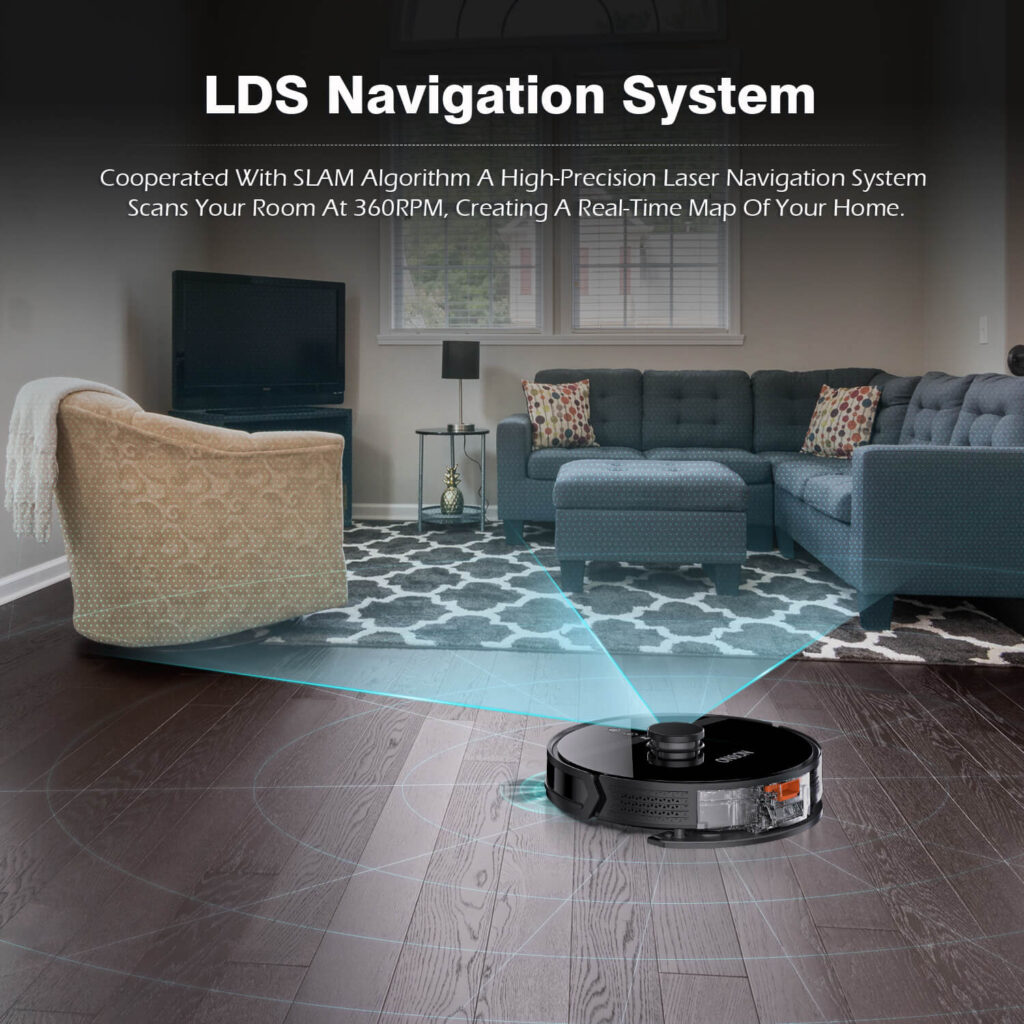
FAQ: The C-Suite’s Final Questions
Q1: The “asset value” from WELL/LEED seems theoretical. How do I make it concrete?
A: Instruct your CFO to engage a commercial real estate appraiser. Provide them with two scenarios: your building “as-is,” and your building with a projected WELL v2 certification, supported by the automated cleaning logs. The difference in the appraised value is your concrete, board-ready ROI.
Q2: What is the single most powerful negotiating lever I have against the “Ecosystem Entrapment” liability?
A: Mandate Open API standards and non-proprietary consumable specifications in the Master Service Agreement (MSA). State explicitly that you retain the right to source compatible third-party consumables and integrate with any building management software without penalty. If they refuse, you walk. Period.
Q3: For our pilot test, what is the one single metric that will predict long-term success or failure?
A: Ignore cleanliness scores. The only metric that matters is the Autonomous Intervention Rate (AIR). It is the inverse of MTBF: how many times per 1,000 hours of operation does a human need to touch the machine for any reason? A low AIR predicts a successful, scalable deployment. A high AIR predicts a catastrophic operational drag liability.
The Final Hook: Your Next Step
You are now equipped with a new framework. But applying it requires a structured approach.
We have developed a proprietary “Robotic Fleet: Asset/Liability Audit Scorecard”. It is a 20-point checklist designed for CFOs and COOs to quantitatively score any potential vendor against the financial threats and strategic opportunities outlined in this briefing.
It is not a sales tool. It is a governance tool.