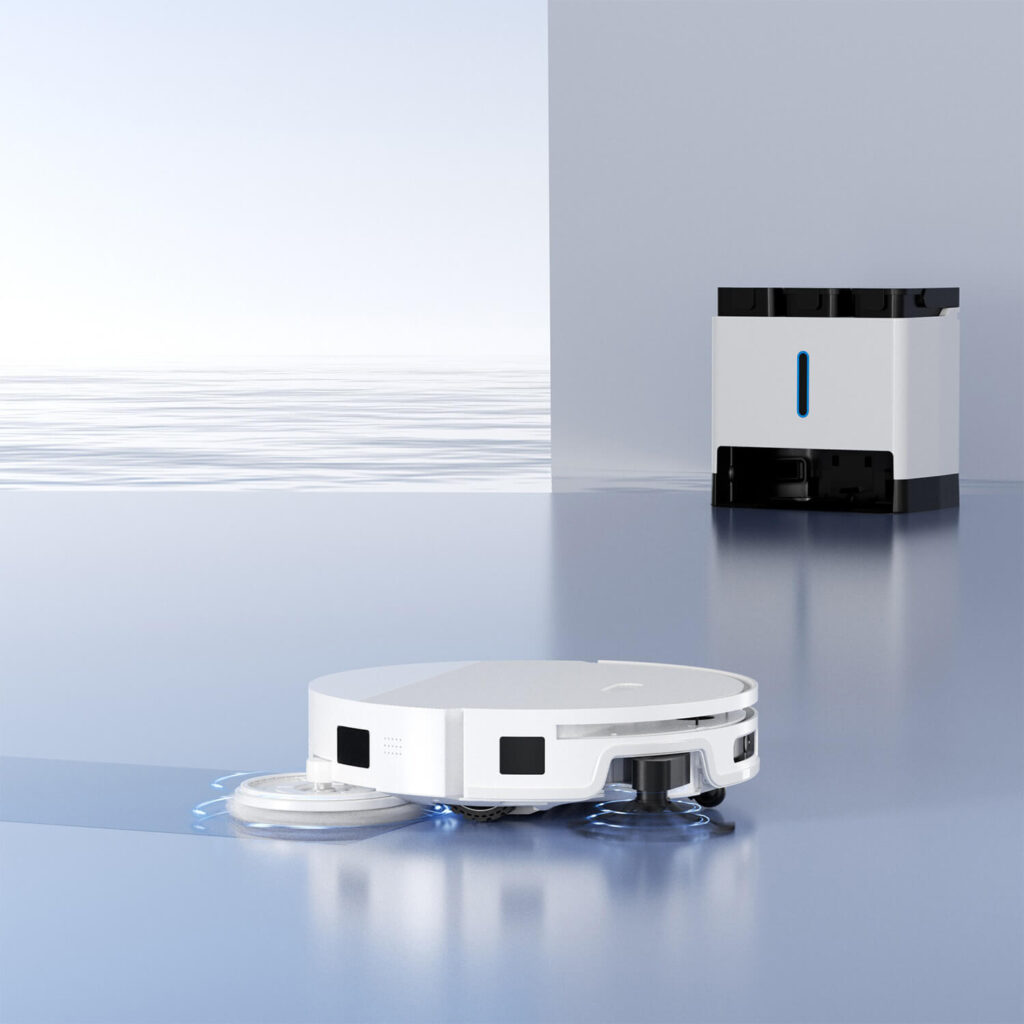
While your competitors are still calculating how many cleaning hours they can save by buying robots, you must see a deeper strategic opportunity: transforming every robot vacuum into an intelligent terminal that continuously generates “Clean Data Assets”.
This is no longer a tactical procurement about “cleaning”, but a strategic investment in building a Spatial Intelligence Platform. The traditional ROI calculation model must be eliminated due to its fatal short-sightedness. It only sees the saved salaries, but completely ignores the “asset value” triggered by “Clean Data Assets” that is sufficient to reshape business value.
This article will completely abandon any superficial discussions about “suction power” and “battery life”, and provide B2B decision-makers with an in-depth analysis of the real value and potential risks of this emerging asset from an absolutely objective perspective with sharp data.
Advantages: The Value Fission from “Operating Expenses” to “Clean Data Assets”
| Core Advantage | In-Depth Analysis | Authoritative Evidence |
|---|---|---|
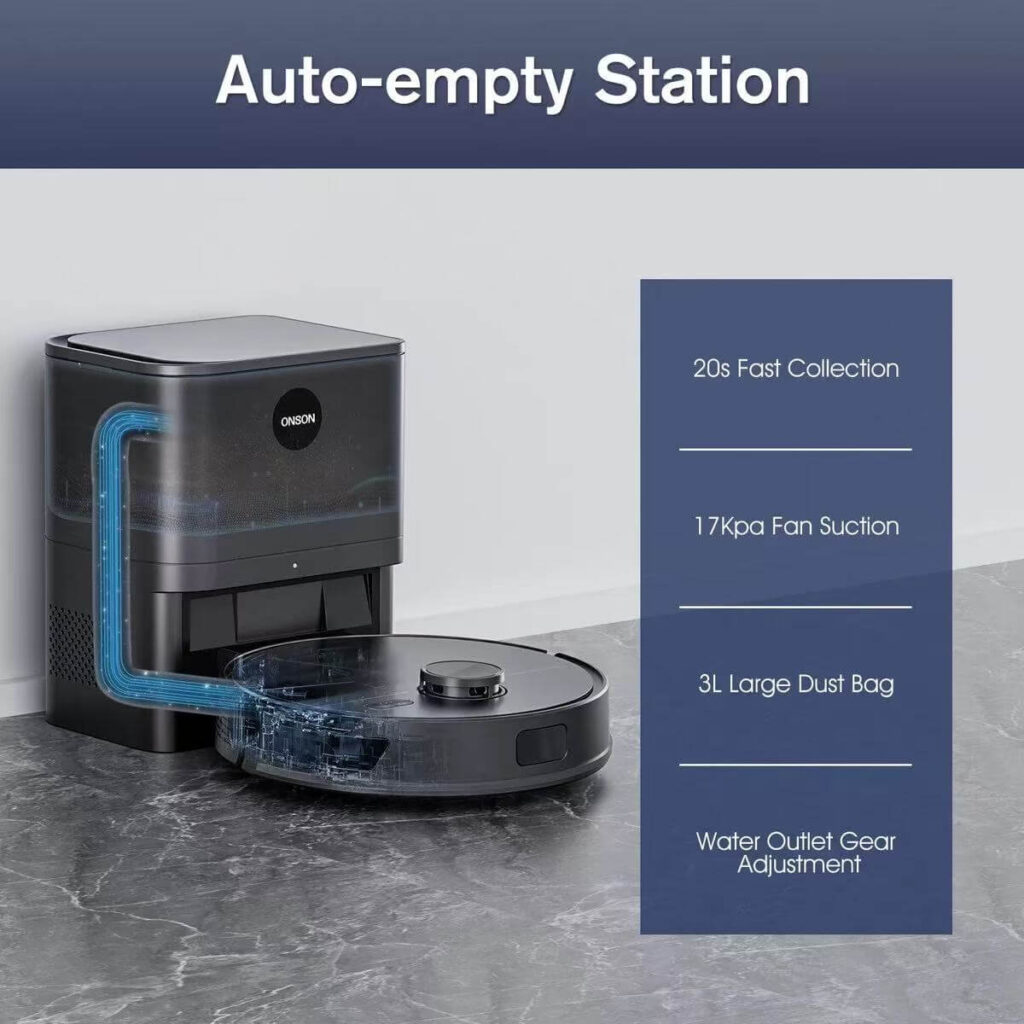
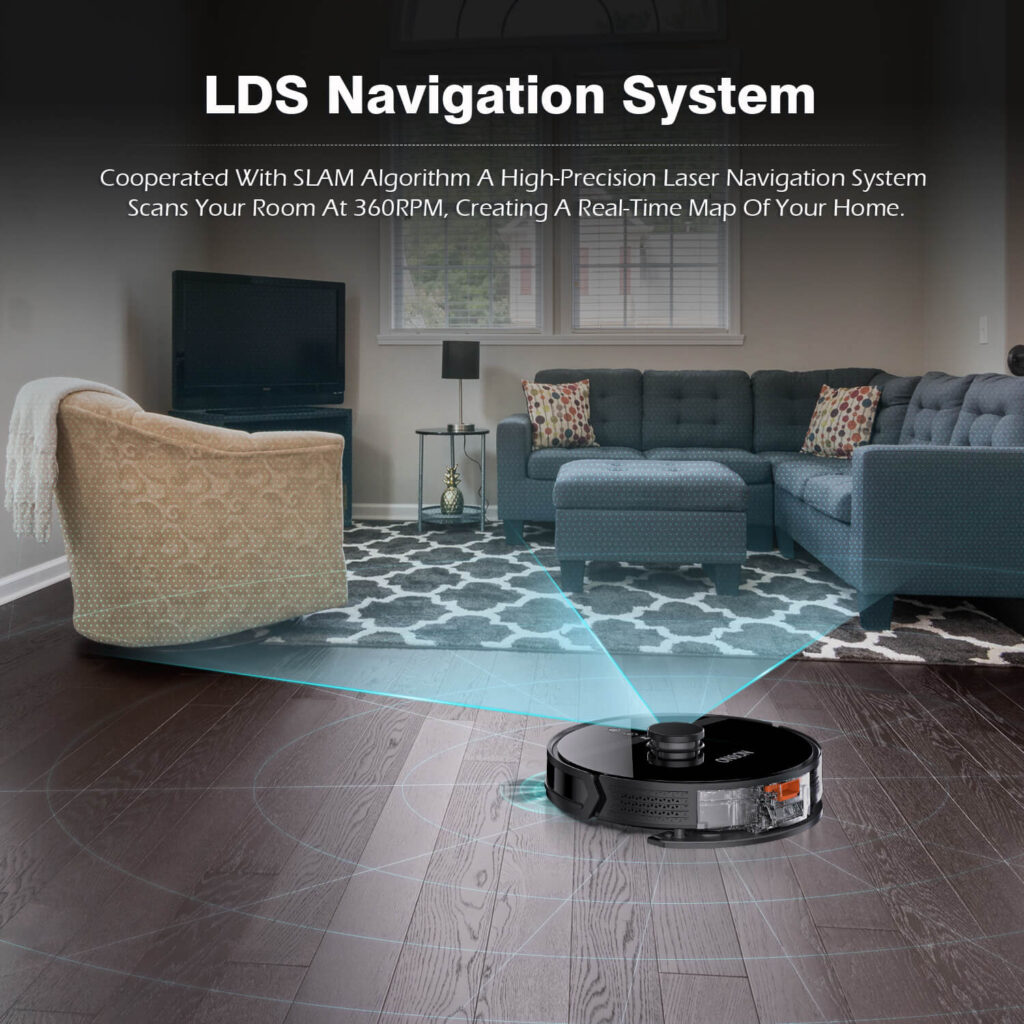
| Formation of “Clean Data Assets” | A fleet of deployed robots, through their equipped LiDAR and SLAM technologies, is not only performing cleaning tasks but also conducting high-precision spatial mapping and data collection. The cleaning heat maps, space usage frequency reports, and customer flow dynamic path maps they generate constitute your “Clean Data Assets”. This asset is hard currency for optimizing space layout, evaluating rental efficiency, accurately predicting maintenance needs, and increasing commercial real estate valuation. | According to research from the Department of Urban Studies and Planning at the Massachusetts Institute of Technology (MIT), space optimization based on sensor data can improve the operational efficiency of commercial facilities by up to 15%. |
| Capital Optimization of “Human-Robot Hybrid” Teams | Robots are not meant to “replace” humans, but to “enhance” them. They free up human resources from 90% of low-value, repetitive floor cleaning, allowing them to focus on more valuable work such as high-touch point disinfection, equipment maintenance, and customer interaction. This is not only an optimization of the cost structure but also a strategic upgrade of the enterprise’s human capital. | Global facilities management giant ISS Group stated in its case study that after introducing a robot fleet, the “visual cleanliness compliance rate” at its customer locations increased by 40%, while the labor cost for responding to sudden stains decreased by 25%. |
| Brand Premium Driven by “Technology Deployment” | In front of customers and potential employees, publicly deploying a robot fleet is itself a powerful brand PR move. It silently declares the enterprise’s emphasis on innovation, efficiency, and employee well-being, establishing an imitable competitive moat in both “employer brand” and “customer experience” dimensions. | Many leading hotel groups, such as Hilton and Marriott, have used the application of cleaning robots as one of the core elements to promote their “smart hotel” and “safe accommodation” experiences. |
| Financial Alchemy of “Robots as a Service” (RaaS) | Different from the capital expenditure (CapEx) of heavy assets, the RaaS (Robots as a Service) model allows you to deploy with light operating expenditure (OpEx). This not only resolves the initial huge investment into predictable monthly expenses but also fundamentally avoids the risk of technological depreciation, ensuring that you always use the latest generation of “data collection terminals”. | McKinsey emphasized in its report on automation trends that the RaaS model enables enterprises to adopt new technologies faster, retain capital for the expansion of core businesses, and thus achieve higher Return on Invested Capital (ROIC). |
Disadvantages & Risks: The Other Side of “Data Assets”
| Core Disadvantage | In-Depth Analysis | Authoritative Evidence |
|---|---|---|
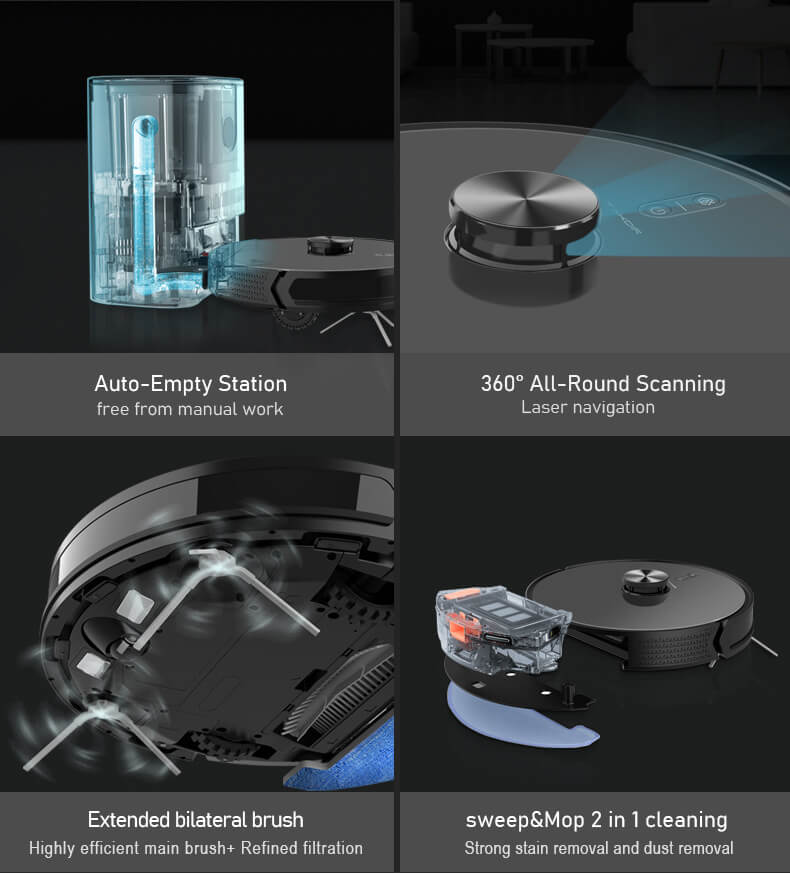
| The “Sword of Damocles” of Data Sovereignty and Privacy | The indoor maps, Wi-Fi signal data collected by robots, and even the images captured by cameras are extremely sensitive information. Once a data breach or abuse occurs, it will not only trigger legal lawsuits and huge fines but also may cause a devastating blow to your brand. Data sovereignty and supplier compliance review are the life-and-death lines before procurement. | Researchers from the University of Maryland and the National University of Singapore have proven through experiments that LiDAR sensor data from robot vacuums can be used to reconstruct indoor layouts and infer sensitive activities with an accuracy of up to 90%, revealing its risk as a potential “eavesdropper”. |
| “Shadow IT” and Integration Black Holes | The deployment of a robot fleet is far from “out-of-the-box”. It needs to be deeply integrated with your existing Wi-Fi network, Building Management System (BMS), and Internet of Things (IoT) platform. Deployment without IT department planning is likely to form unmanageable “Shadow IT”, bringing “black holes” in network security and operation and maintenance. Its long-term hidden costs may far exceed the equipment itself. | Reports from IT consulting firm Gartner have continuously warned that IoT devices without unified governance are one of the weakest links in enterprise network security. |
| The “Last Mile” Dilemma in the Physical World | Despite the increasing sophistication of algorithms, robots are still helpless in the face of high-density long-pile carpets, complex staircases, wet floors, and sudden large pieces of garbage. Over-reliance on robots while cutting necessary human reserves will lead to a sharp drop in service quality at critical moments. | Best practices in commercial cleaning services have proven that the most effective role of robots currently is as “baseline cleaning maintainers”, not “all-round problem solvers”. |
| The “Sunk Cost” Trap of Technological Iteration | Robot technology is evolving at a rate similar to “Moore’s Law”. The flagship model you purchase today with capital expenditure (CapEx) may become a “technological antique” requiring high-cost maintenance in 18 months. For enterprises that choose to buy directly, this is undoubtedly a high-risk bet. | The essence of the RaaS model is to transfer the risk of technological obsolescence from the buyer to the service provider, ensuring that customers always stay at the forefront of technological trends. |
Frequently Asked Questions (FAQ)
- Q: We don’t have a technical team — can we still leverage “Clean Data Assets”? A: Not necessarily. Leading RaaS providers usually offer “Data as a Service (DaaS)”, processing raw data into intuitive business insight reports. You only need to focus on how to use these insights to make decisions.
- Q: How to quantify the real ROI of “Clean Data Assets”? A: You need to establish a brand-new evaluation model that incorporates data such as “the increase in rental efficiency brought by improved space utilization”, “the maintenance cost saved by preventive maintenance”, and “the customer conversion rate brought by improved brand image” into the calculation.
- Q: Is the RaaS model always more expensive than buying directly? A: From the perspective of Total Cost of Ownership (TCO), not necessarily. RaaS includes software updates, maintenance, technological upgrades, and data analysis services, avoiding your hidden investments and sunk costs in these areas.
- Q: What is the biggest “trap” to watch out for when choosing a supplier? A: Be wary of suppliers who only talk about “cleaning efficiency” but are vague about “data security compliance”. Be sure to request third-party audit reports on their data encryption, storage, and privacy policies.
Closing Hook
Before concluding this discussion about the future, please think: while your competitors are still worrying about “which brand of sweeper to buy”, are you ready to start building your own unique “Clean Data Asset” empire?
This is not just a procurement. This is a revolution about data, intelligence, and the future of commercial space.