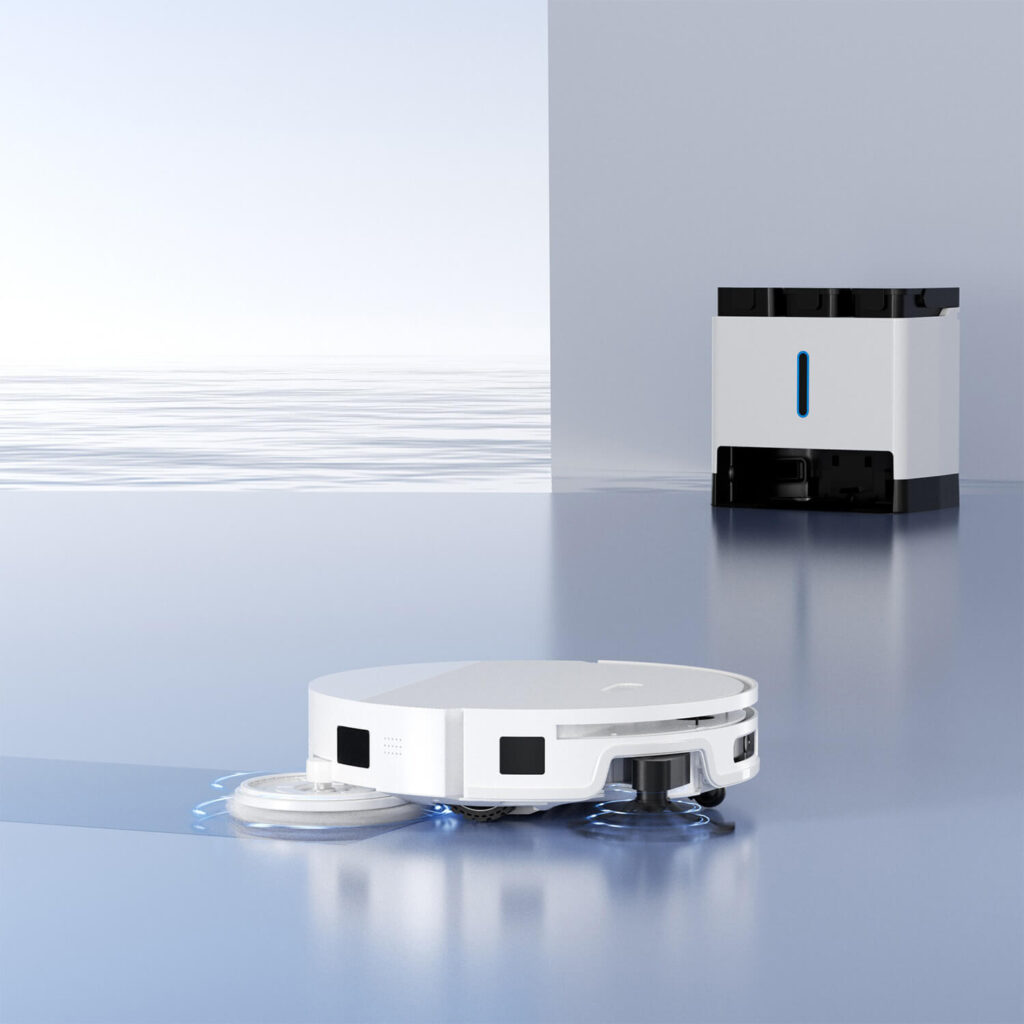
Do you feel like you’re becoming a “glorious mover”? On one hand, you deliver those exquisitely packaged robot vacuums that claim to have “black technology” to thousands of households; on the other hand, you find your profits being devoured by endless price wars, high inventory costs, and a growing number of customer after-sales complaints.
You are trapped in a fatal “Service Liability Black Hole”. In this black hole, upstream manufacturers (brands) keep the profits from the Product for themselves, but cleverly shift all the responsibilities and costs of Service to you through the supply chain — every link of the channel.
This guide will completely tear off the glamorous veil of the industry’s “high growth“, reveal the operation mechanism of this “black hole” from an absolutely objective perspective with highly credible evidence, and provide a strategic framework to jump out of the trap and reshape channel value.
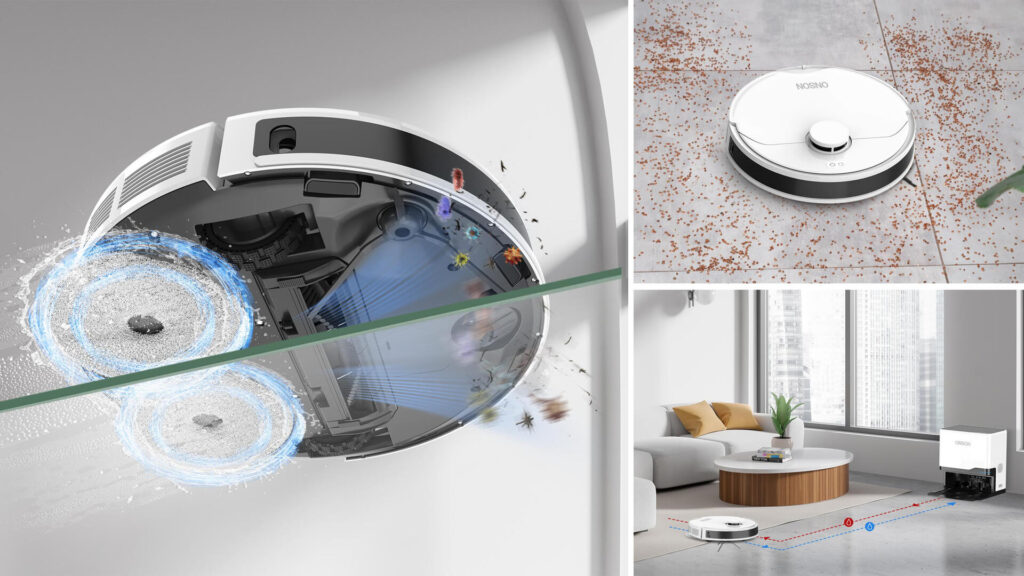
The “Service Liability Black Hole”: Four Invisible Tentacles Devouring Your Profits
For distributors, the biggest risk is not that products cannot be sold, but the unforeseeable “joint liability” extended from the products you bear.
| Core Pain Point | In-Depth Analysis (Distributors’ Intimate Pain) | Authoritative Evidence |
|---|---|---|
| The “Bottomless Pit” of After-Sales Service | The “one-year warranty” promised by manufacturers is more like a curse to you. Customers’ repair requests, exchange needs, and software usage confusion all eventually flow to you. You are forced to invest manpower and material resources to handle problems that should be faced directly by the brand. You are not selling, but “supporting” a large, unprofitable customer service team for manufacturers far away. | Consumer Reports (U.S.) points out that the repair waiting cycle and parts shortage for home appliances have become increasingly serious in recent years. This means that when distributors try to solve problems for customers, they will also fall into difficulties due to the inefficiency of the upstream supply chain, and ultimately bear the customers’ anger and brand loss. |
| The “Sword of Damocles” of Inventory Backlogs | The technological iteration speed of the robot vacuum industry is comparable to that of smartphones. Brands launch a “revolutionary” new product every 6 months and bomb the market with marketing. The previous batch of “flagship models” in your warehouse instantly becomes unpopular “outdated goods”. Bet on the right bestseller, and make a small profit; bet wrong once, and lose everything. This inventory risk driven by the technological race is pushing your cash flow to the edge of a cliff. | The continuous disruption of global supply chains has made inventory management a nightmare across all industries. For electronic products with rapid technological iteration, this impact is amplified exponentially. Distributors not only bear the capital occupation but also digest the asset impairment losses caused by technological obsolescence. |
| The “Time Bomb” of Data Privacy | Every robot you sell with a camera and LDS laser radar is a mobile data collection terminal. Once the brand’s server is attacked or data is abused, leading to user privacy leakage, you, as the seller, are very likely to become the first target of consumers’ class-action lawsuits and regulatory penalties. You are not selling cleaning tools, but potential legal risks. | The U.S. Cybersecurity and Infrastructure Security Agency (CISA) has repeatedly issued security warnings about Internet of Things (IoT) devices. Studies have shown that hackers can remotely control robot vacuums with cameras and turn them into “spies” at home. This risk will eventually be converted into the commercial reputation risk of distributors. |
| The “Profit Meat Grinder” of Homogeneous Competition | When the market is flooded with “OEM” or “public mold” products with similar appearance and functions, your only competitive tool seems to be “price”. You are drawn into a losing bloody war, and profit margins are compressed to the limit. You develop the market for the brand, but the brand does not leave you enough profit space to survive. | In-depth analysis by business media such as 36Kr points out that China’s robot vacuum market has entered a stage of “extreme involution”. Leading brands account for nearly 90% of the market share, the living space of small and medium-sized brands and distributors is severely squeezed, and profit decline has become a common phenomenon. |
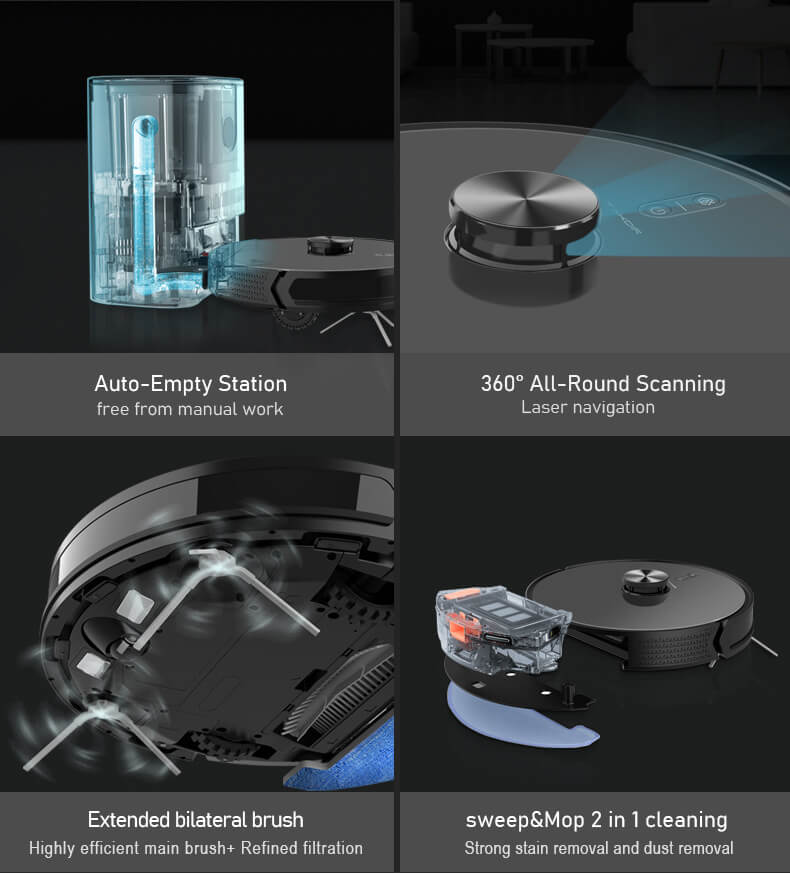
Strategic Turn: From “Mover” to “Value Chain Pilot”
To escape the “black hole”, the only way out is to stop being a “mover” and regain the “steering wheel” in the value chain. You need to shift from “selling products” to “providing solutions“.
| Strategic Fulcrum | Specific Action Plan | Authoritative Perspective |
|---|---|---|
| Build a “Local Service Center” | Turn passive after-sales service into active service. Launch your own value-added services such as “paid extended warranty plans”, “in-depth maintenance service packages”, and “annual consumable subscriptions”. Transform every repair into an opportunity to establish a deep connection with customers and create new profits. | Leaders in the service robot field, such as SoftBank Robotics, have long proved that “service support” is the core of their business model. Successful distributors should follow this path and transform themselves from sales terminals into regional service and support hubs. |
| Transform into a “Data-Driven Product Selection Expert” | Stop following the trend blindly and refuse to bet your entire fortune on the brand’s “PPT new products”. Use your sales data to accurately analyze which functions, price ranges, and brands have the lowest failure rate and highest customer satisfaction in your market. Arm yourself with data and put forward “reverse customization” or “selective procurement” requirements to manufacturers. | Gartner predicts that the future retail industry will be data-driven. Successful retailers can use data insights to optimize inventory and improve customer experience. The sales data you have is a more valuable decision-making basis than any industry report. |
| Create an “Own Brand” as a Firewall | For powerful wholesalers and large online sellers, launching an own brand (White-Label/Private Label) is the ultimate means to resist risks. You can cooperate directly with source factories (OEM/ODM) to define your own product standards. Most importantly, you can force factories to abide by stricter data security and privacy agreements, keeping the fuse of the “data time bomb” firmly in your own hands. | Launching an own brand means that distributors transform from passive acceptors of prices to active definers of value. This not only brings higher profit margins but also builds a brand moat to get rid of homogeneous competition. |
| Explore the New Blue Ocean of “B2B Solutions” | Jump out of the red sea of C-end retail. Package your products and services to provide “intelligent cleaning solutions” for local commercial customers such as office buildings, hotels, restaurants, and shopping malls. This includes equipment rental, batch deployment, robot maintenance, and operation training. Your role will jump from “retailer” to “B2B cleaning consultant”. | Demand for automated cleaning in commercial scenarios is surging. Providing overall solutions for commercial customers not only has higher unit prices but also stronger customer stickiness, which can open up a new, profitable market for you. |
Frequently Asked Questions (FAQ)
- Q: We are just a small retail store — how can we build a “service center”? A: Start with the basics. For example, provide “one-on-one” robot setup and App usage guidance services, or cooperate with local home appliance repairmen to provide quick on-site inspections. The core of service is “response speed” and “attitude towards solving problems” — which are exactly the advantages of small businesses.
- Q: Launching an own brand is too risky — how can we start? A: There’s no need to do it all at once. You can start with a “co-branded” or “channel-exclusive model”, co-designing a product with a reliable manufacturer. This helps you accumulate experience and test the market’s acceptance of your brand.
- Q: The B2B market seems difficult to enter — we have no relevant experience. A: Start with the resources around you. The property management company in your community, nearby chain restaurants, and small business hotels are all potential initial customers. Providing them with a free “cleaning efficiency assessment” and product trial is the best foot in the door.
- Q: Our current main profit comes from brand rebates — will transformation affect cooperation? A: This is a strategic trade-off. Continuing to rely on a single rebate model will keep you in a passive position forever. Gradually increasing the proportion of income from services and own brands will give you more leverage in negotiations with brands and establish a healthier, more equal cooperative relationship.
Closing Hook
Before the next wave of technological change arrives, ask yourself: Do you want to continue drifting in the “Service Liability Black Hole”, or are you willing to take the “steering wheel” and become the pilot of your own business course?
The era of only moving boxes is over. An era where channel value is defined by service has arrived.