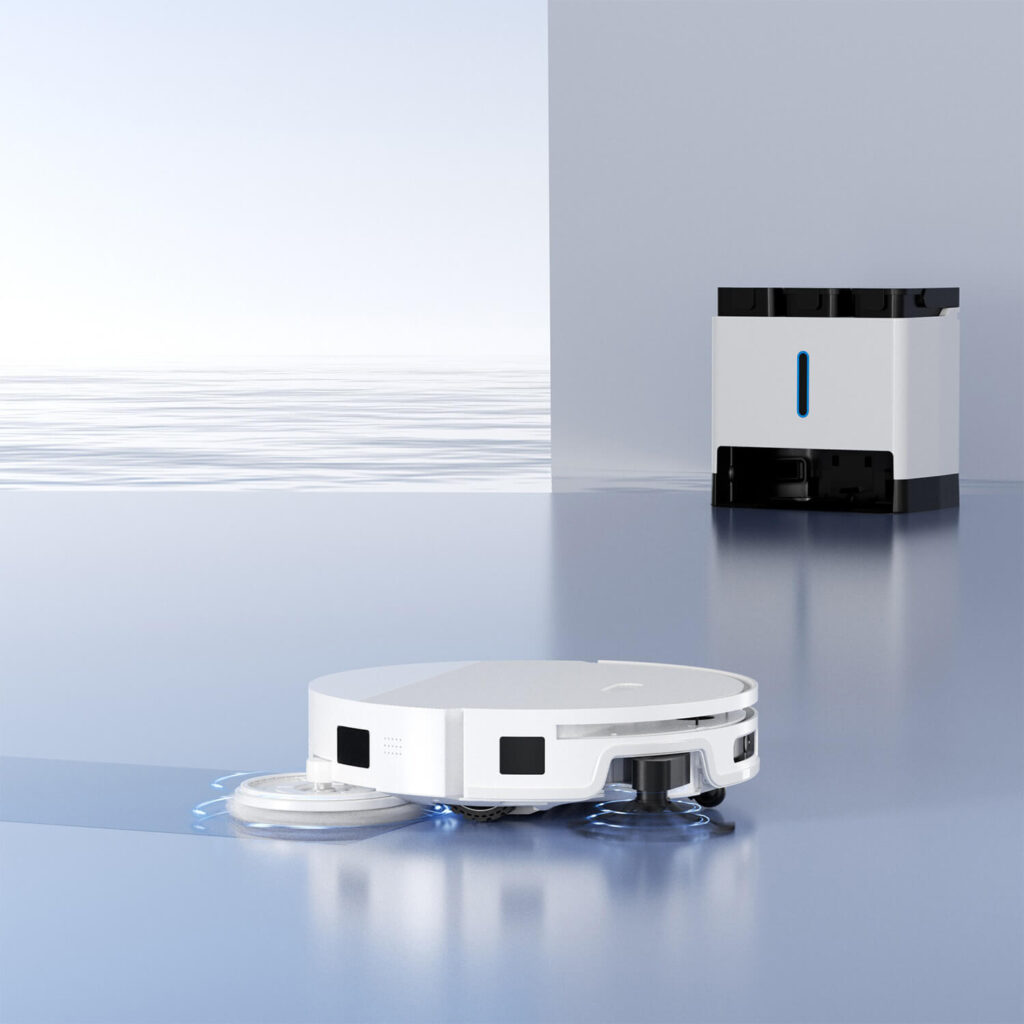
Your cleaning budget is being devoured by technological bubbles, and the solution is far more complex than what suppliers promise.
When property managers consider purchasing commercial cleaning robots, they are often attracted by the marketing slogan of “saving 90% of labor costs.” However, the reality is that many cleaning robots bought by enterprises for hundreds of thousands of yuan end up collecting dust in corners. A regional property manager said bluntly: “This is just a fancy toy for show. Who would spend over 100,000 yuan on this?”
The truth is that the commercial cleaning robot industry has fallen into a disconnect between technological hype and real value delivery. This article will guide you through the marketing fog, starting from the actual interests of B2B customers, and provide a data-based decision-making framework.
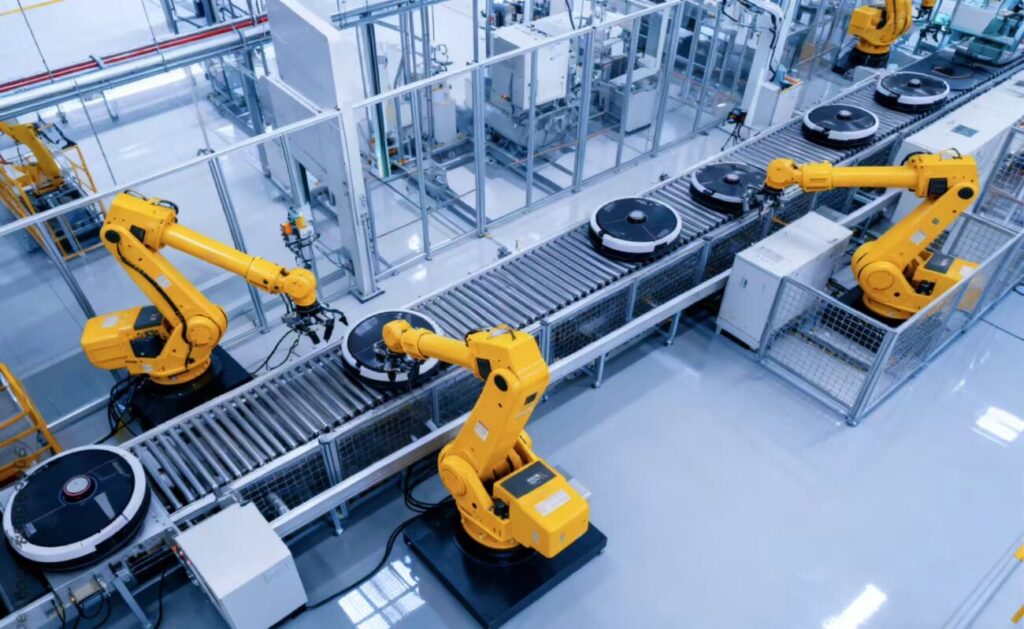
The Real Pattern Behind Market Prosperity
According to IDC data, global shipments of commercial service robots exceeded 100,000 units in 2024. Chinese manufacturers led the world with an 84.7% shipment share, and leading enterprises Qinglang Intelligence, Pudu Technology, Gaoxian Robot, and Yunji Technology occupied the top four positions in the global market.
Table: Global Commercial Cleaning Robot Market Regional Distribution (2024)
| Region | Market Share | Key Growth Drivers |
|---|---|---|
| Asia-Pacific | 43% | Accelerated urbanization and surging number of commercial complexes |
| North America | 30% | Early promotion of smart buildings and automated services |
| Europe | 22% | Increased attention to environmental hygiene |
| Others | 5% | Gradual adoption to address labor shortages |
Technical Limitations: Three Key Constraints B2B Customers Must Understand
The Gap Between Cleaning Capability and Complex Environments
Commercial cleaning robots perform well in regular and open spaces but struggle in complex environments. They can only handle small ground particles; they are basically unable to effectively clean larger items such as cans and bottles, as well as sticky substances like chewing gum.
Environmental Adaptability and Navigation Accuracy Challenges
Commercial cleaning robots mainly use two navigation methods: random collision mode and systematic path planning. However, both methods perform poorly in real commercial environments.
Indoor environments are like mazes for robots. They may get stuck under stools, in corners, or at turns and cannot free themselves. Moreover, debris such as wires, small toys, and ropes on the ground are common obstacles, risking jamming the main brush or air duct.
ECOVACS has launched a scenario-based product matrix DEEBOT PRO, including K1 VAC focusing on carpet vacuuming and M1 integrating sweeping, mopping, and pushing, to address this issue. K1 VAC has a 20kPa strong suction to directly reach the carpet surface, and a 0-edge side brush design for corner cleaning.
Unavoidable Physical Law: The Balance Between Noise and Suction
In essence, a robot vacuum can be regarded as a small vacuum cleaner. Its cleaning capability mainly comes from a built-in fan, which requires high-speed rotation to ensure suction, and the fan is driven by a motor. In other words, noise and suction of robot vacuums are inevitably intertwined.
A user commented: “The noise is too loud when the machine is working. It must not be used during naps or sleep, otherwise the child will cry immediately.” This noise problem makes the robot almost unusable during specific time periods, greatly limiting its application scenarios.
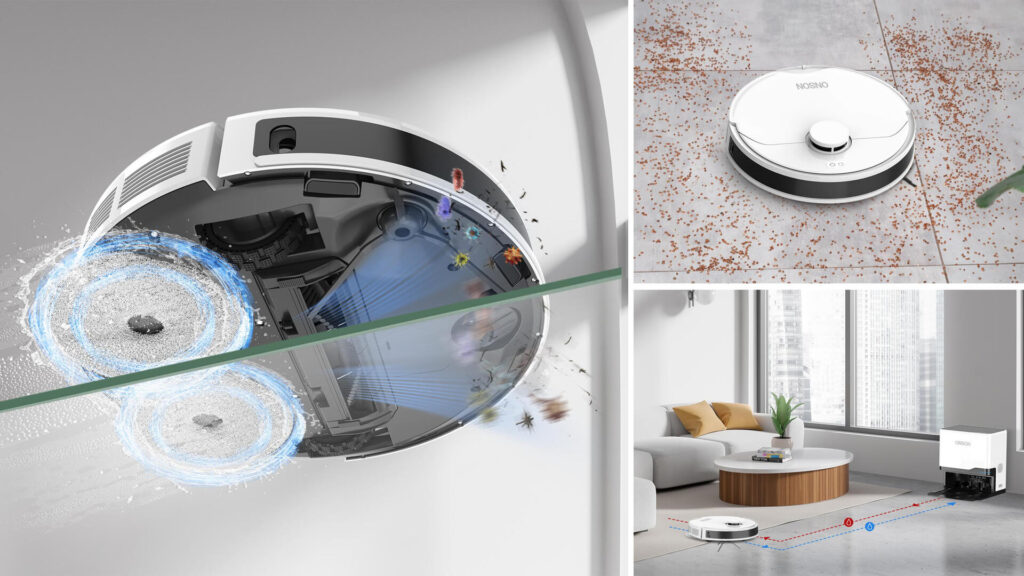
ROI Calculation Traps: Why Standard Formulas Mislead You
Superficial cost-saving formulas have serious flaws. Salespeople often calculate like this: a cleaner’s annual salary is 48,000 yuan, a robot costs 100,000 yuan, the investment can be recovered in more than two years, and the robot can be used for over three years. However, this pricing strategy and business model have fatal loopholes.
Yang Lin, a regional property manager, shared a real case: “When preparing the budget at the beginning of the year, one cleaning robot replaced the salaries of 2-3 cleaners. But halfway through, we found the robot was not easy to use and had to hire people again. At the end of the year, when settling accounts, we found that labor costs were not reduced, but total expenses increased by several hundred thousand yuan.”
Table: Real Cost Analysis of Commercial Cleaning Robots
| Cost Category | Considered in Traditional Calculation | Often Ignored in Actual Operation |
|---|---|---|
| Equipment Procurement Cost | Yes | No |
| Maintenance and Consumables Cost | Partially | Yes |
| System Integration Cost | No | Yes |
| Personnel Training Cost | Partially | Yes |
| Cross-Platform Collaboration Cost | No | Yes |
| Upgrade and Update Cost | No | Yes |
Differentiation Strategy: How Leading Enterprises Achieve Real Value
Transformation from “Equipment Sales” to “Cleaning as a Service”
Successful enterprises no longer only sell hardware equipment but provide comprehensive cleaning solutions. ECOVACS commercial cleaning robots aim to make “human-robot collaboration” the new industry norm through technological iteration and ecological cooperation.
Pudu Technology’s “Chuchen C1” achieves comprehensive perception through task monitoring and operation reporting to generate digital cleaning reports. It can also connect with IoT devices such as elevators, turnstiles, access control, and communication systems, as well as upper-layer software, realizing full interconnection, breaking cleaning barriers, and helping to promote standardized, digital, and intelligent cleaning, which constitutes an important part of smart building management.
Scenario-Specific Solutions Instead of Universal Products
ECOVACS innovatively launched the scenario-based product matrix DEEBOT PRO, including K1 VAC for carpet vacuuming and M1 for integrated sweeping, mopping, and pushing, realizing full coverage of hotel public area cleaning.
TRANSEA, developed by ECOVACS based on actual market demand, is a commercial cleaning robot specially built for indoor commercial scenarios within 1,000 m², providing professional ground cleaning solutions for residential buildings, office buildings, hotels, commercial B-end venues, etc.
Specific Technological Breakthroughs to Enhance Practicality
Dynamic demonstrations of ECOVACS robots show significant technological breakthroughs: the 52cm extreme passing capability enables K1 VAC to flexibly bypass gaps in linen rooms; the 10° stable climbing capability can easily handle hotel ramps and threshold transitions; turnstile linkage, through ECOVACS self-developed smart IoT system, realizes fully automatic cross-area operations.
Pudu Technology’s “Chuchen C1” can complete high-difficulty tasks such as 70cm narrow aisle cleaning, 8° climbing, and 4cm ground gap crossing. The liftable structure of the roller brush, suction shoe, and dust push endows it with the ability to adapt to different hardness and material floors, including hard floors and short-haired carpets.
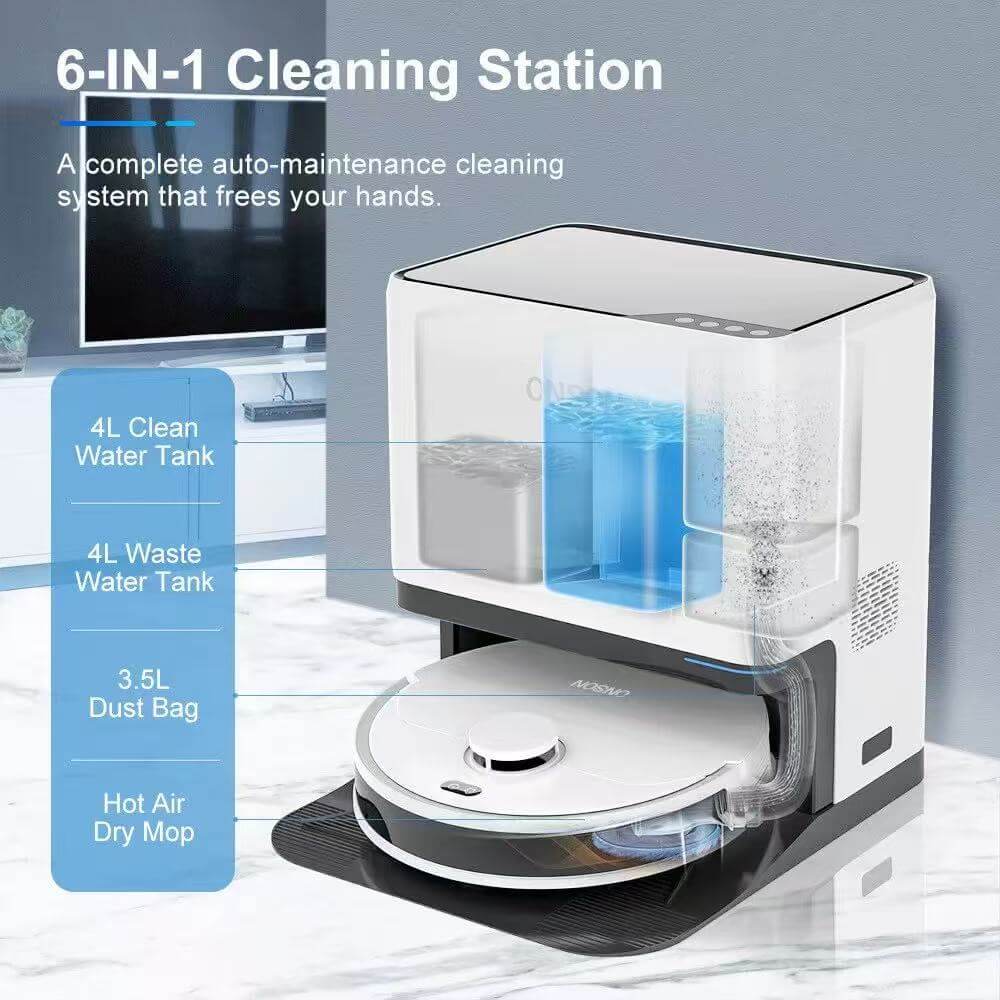
B2B Customer Procurement Decision-Making Framework
Demand Assessment Checklist
- Scenario Adaptability Analysis: Is your environment highly regular or complex and variable?
- Cleaning Standard Requirements: Do you need basic cleaning or deep cleaning?
- Existing Infrastructure: Does it support the integration of robots with elevators, access control, and other systems?
- Team Technical Capability: Do you have professional personnel to operate and maintain intelligent equipment?
- ROI Expectation: Set a reasonable ROI time frame (usually 3-4 years).
Key Indicators for Supplier Evaluation
- Technological Maturity: Landing cases of products in similar scenarios
- Service Support System: After-sales response time and technical support capability
- System Integration Capability: Compatibility with your existing management platform
- Total Cost of Ownership: Full-cycle costs including procurement, deployment, operation, and maintenance
- Data Security and Compliance: Compliance with industry data protection requirements
Future Trend: From Single Equipment to Intelligent Cleaning Ecosystem
Embodied intelligence technology is driving robots towards a new stage of high autonomy and human-robot collaboration. Future service robots will have multi-modal perception, autonomous navigation, and task scheduling capabilities, facilitating their large-scale deployment in catering, medical care, transportation, and other industries.
Industry experts believe that humanoid robots, with their balance of mobility and operability, will account for more than 60% of the commercial market share in the next five years. This technological evolution path not only retains the scenario-specific advantages of dedicated robots but also accumulates key technologies for the ultimate form of humanoid robots.
Conclusion: Beyond Hype, Pragmatic Investment
The commercial cleaning robot industry has moved from an enthusiastic period to a rational one. For B2B customers, the key is not to chase technological trends but to clearly analyze their own business scenarios and cost structures.
The real solution may not be more advanced robots, but smarter cleaning management strategies: assigning simple tasks to machines and complex tasks to humans to achieve optimal human-robot collaboration.
A senior industry insider pointed out the essence: “At present, the cost-effectiveness of cleaners is still very high.” When labor costs have not reached a critical point, blind pursuit of automation may instead increase total costs.
Are you evaluating the feasibility of cleaning automation? We provide real ROI calculation models and pilot programs to help you make data-driven rather than marketing-driven decisions. Welcome to contact us for a customized cleaning solution analysis report.